OpsRoom — operational real-time situational picture
OpsRoom replaces fragmented coordination — radios, WhatsApp groups, paper lists — with a shared real-time operational picture. With structured incident capture, workflow engine and full audit trail. On-premise or as SaaS — built for shared operations across companies.
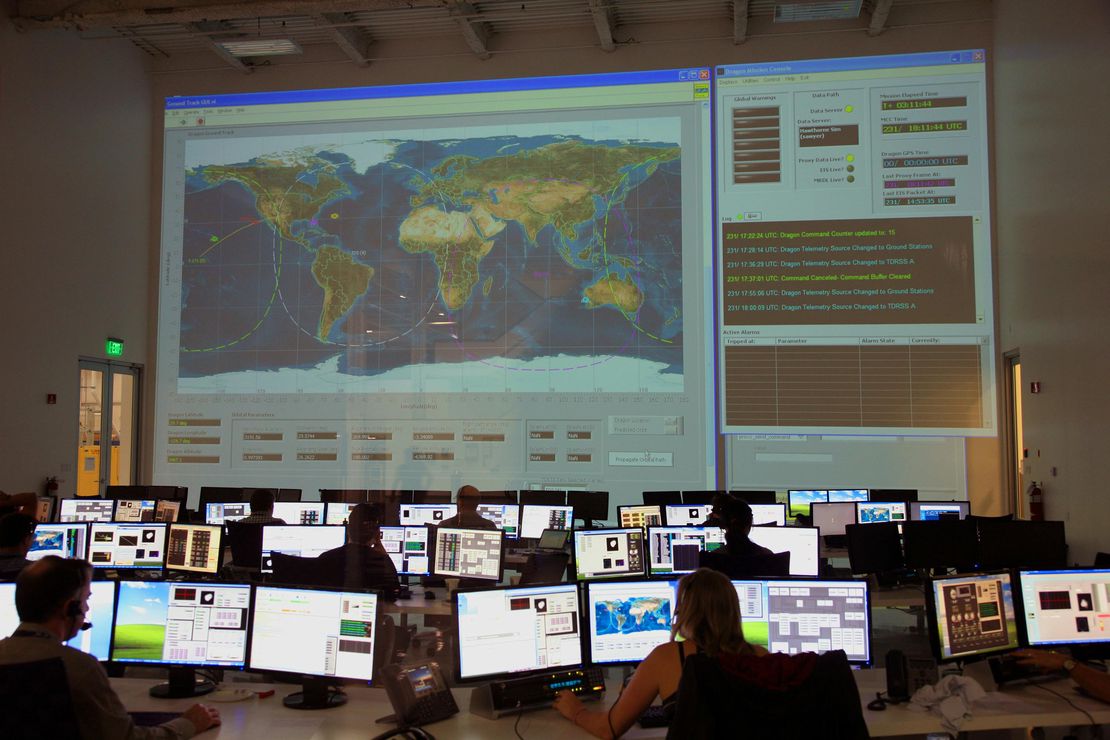
One situational picture for everyone, instead of five island tools. OpsRoom replaces fragmented coordination — radios, WhatsApp groups, paper lists, Excel trackers, whiteboards — with a shared operational picture in real time. Visible to all relevant people, on any device, with an audit trail covering every escalation and action.
OpsRoom is the open-source stack from datatactics for operational real-time management in complex environments. The platform digitizes what today runs across fragmented channels: observation, escalation, coordination, action, documentation. Verbal hand-offs become structured cases with timestamp, ownership and history. The target audience is operations with dozens to hundreds of operational points to monitor in parallel — airports, stadiums, trade fairs, shopping centers, hospital campuses, theme parks. Anywhere distributed teams have to coordinate under time pressure.
What OpsRoom does
Real-time situational picture. Live dashboard with the status of all operational points. Interactive map view based on real building plans. Updates via WebSocket, no polling, no manual refresh. Whoever sits at the screen or swipes on a mobile device sees the current state.
Structured incident capture. Staff open cases directly from the app — desktop or mobile. Structured forms per case type (waiting time, occupancy, defect count, crowd density). Each report automatically captures: what, severity, who, when.
Workflow engine with severity logic. Configurable multi-step workflow per case type. Role-based permissions per step. Automatic reminders for stalled cases. Rule-based criticality from captured data — waiting time above threshold, occupancy above limit, sensor deviation outside tolerance. Consistent, objective escalation without human judgment in the first step.
Sensor integration. Connection to external sensor systems: waiting-time sensors, occupancy counters, temperature, crowd density, queue length. Sensor updates appear immediately in the situational picture — the platform closes cases automatically when values normalize.
Historical analysis and audit trail. Complete history of every action. Metrics dashboard: cases per point, duration per severity, effectiveness of actions. The basis for post-event analysis, staffing planning and compliance reporting.
A cross-cutting property across all capabilities: low-code configurability. Workflows, templates, severity scales, POI types, role permissions — all adjustable via runtime configuration. New locations, new case types, new escalation logic go to production without a release cycle.
In productive use
OpsRoom grew out of productive use in a large operation with distributed teams and hundreds of points monitored in parallel — across multiple sites, dozens of sensor categories, automatic waiting-time and occupancy escalations, status tracking per case, coordination across several service providers, emergency escalation with defined chains of responsibility. Generalized, the platform is suitable for any operation with a complex operational state — airport, stadium, trade fair, clinic campus, industrial site, shopping center.
Operations: on-premise or as SaaS
You run OpsRoom on your own infrastructure — or use it as SaaS, operated by us. The SaaS option shines when several companies need access to one shared picture: joint operations at an airport, a venue with multiple service providers, an operation with external partners. One system, clear roles and permissions per organisation, no infrastructure debate between the parties.
The runtime underneath is open source (Apache 2.0); database, sensor adapters and identity provider are configurable, not predetermined.
The entry runs through the Tactical Assessment: 30 minutes online, an experienced engineering lead listens and gives the read still in the call. If it fits, the Architecture Sprint follows with a validated implementation plan plus a fixed-price proposal for the engineering phase.